Across the United States, construction companies share one frustrating problem: not enough skilled workers to meet construction demand. Infrastructure investment is booming, project pipelines are full, and yet contractors everywhere struggle to find people who are ready to step onto a job site safely and productively.
That gap costs you money. It delays projects, strains budgets, and threatens hard-won hiring commitments. The good news? It can be solved.
In this post, you'll learn what's driving the national labor shortage, why local hiring goals are so tough to hit, and how CAHill's aQuiRe Construction Academy delivers job-ready talent fast. We'll use Central New York's mega-projects as a real-world example of what this approach can achieve—then show how it works for contractors anywhere.
 The Reality of the Skilled Labor Shortage
The skilled labor shortage isn't a regional issue. It's a coast-to-coast challenge facing every contractor bidding on civil construction projects. Major public works projects almost always arrive with ambitious local hiring goals. The intention is sound: communities affected by construction should benefit directly from the jobs and wages it creates. But turning those goals into reality is rarely simple.
The barriers are consistent no matter where you build:
• A limited supply of trained, work-ready laborers
• Underrepresentation of local residents in regional trades
• A steep learning curve for entering heavy construction safely
For contractors, the result is the same everywhere—open positions, tight deadlines, and a talent pool that can't keep up with demand.
A Case Study in Central New York
The $2.25 billion Interstate 81 viaduct project in Syracuse, New York offers a clear lesson in workforce development. Backed by strong community advocacy and government incentives to hire locally, the project set ambitious goals to employ workers from nearby neighborhoods and marginalized communities. Yet the contractors continue battling a gap that no funding alone can close.
Micron's $100 billion semiconductor megafab tells a similar story: over the next 20 years, the company plans to build four 600,000-square-foot cleanrooms, creating thousands of skilled jobs that demand training pipelines local hiring goals can't fill on their own.
Together, these projects show that capital and good intentions only go so far—closing the gap takes a workforce ready to meet the moment.
When Demand Outpaces Readiness
Despite financial support and hiring targets, local workers make up only a fraction of the total workforce. Hours logged by Syracuse-area residents remain just below the project's goals, according to a syracuse.com article from May 2026. The reason is simple: open jobs don't automatically produce a skilled workforce ready to fill them.
And, this pattern reaches far beyond Syracuse. Across the country, major infrastructure projects face the same challenge. Demand for workers is high, but without accessible training and clear career pathways, that demand goes unmet.
How aQuiRe Construction Academy Bridges the Gap
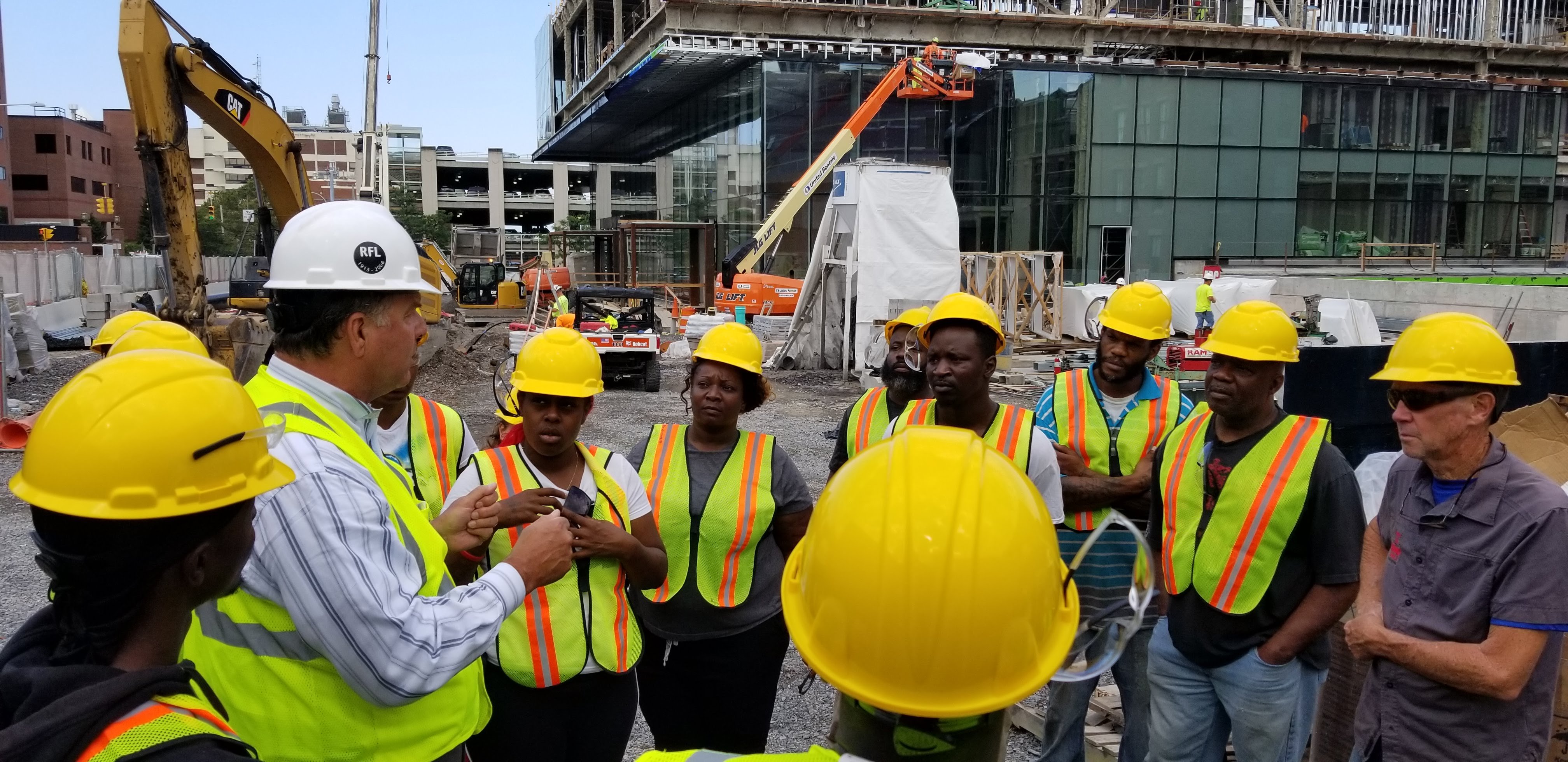
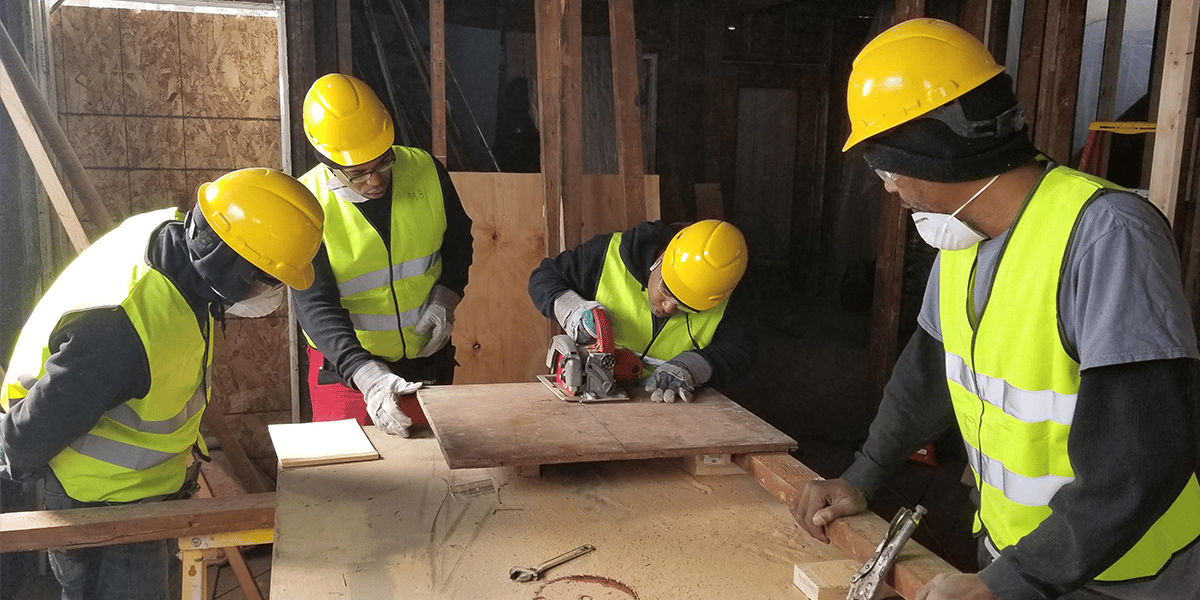
aQuiRe Construction Academy was built to solve exactly this problem. To date, the Academy has trained roughly 75 individuals and prepared them for employment on the I-81 project and Micron’s megafab facility. Academy grads continue to be hired by labor unions and contractors on this infrastructure project. They are sought after by these local partners for their certifications, safety knowledge and demonstrated desire for a career in the industry.
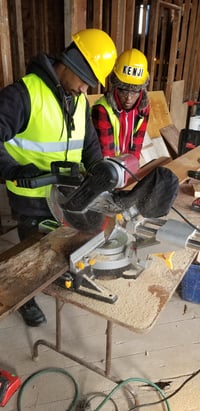
In our blended learning approach, graduates earn industry-recognized certifications, like OSHA 10, while building practical knowledge and gaining real hands-on experiences. As a result, they leave the program better prepared to step into union and contractor roles, and to contribute to construction projects right away.
The takeaway is straightforward: structured training turns a beginner into a job-ready professional, and that transformation is what closes the hiring gap.
Soft Skills That Drive Long-Term Success
Technical skills get someone hired. Soft skills keep them on the job. That's why we weave job readiness, financial literacy, mental health awareness, and career empowerment into the curriculum.
We want graduates who don't just land the job—they thrive in their careers for decades to come. For contractors, that means lower turnover and a more dependable crew.
 What CAHill Means for Contractors
Employers partner with us because we fast-track training without sacrificing quality. This means expediting time to competency through an accelerated training schedule. By taking candidates and immersing them in our blended hybrid program, employers, contractors and unions see qualified candidates sooner than traditional schooling methods.
Why should contractors trust us? We have credentials of our own. Our curriculum is certified by the American Council for Construction Education, our aQuiRe Construction Academy program is an officially certified pre-apprenticeship with the New York State Department of Labor, and our instructors are OSHA-authorized subject matter experts who bring decades of real-world grit to every lesson. These endorsements together signal a standard of trustworthy quality.
Build Your Workforce of Tomorrow
The labor shortage doesn't have to dictate the pace of your projects. The U.S. construction industry has the funding, the demand, and the ambition to execute generational work—what it needs is the skilled workforce to match.
Central New York's mega-projects show what's possible when you pair ambition with the right training partner. The same model works for contractors in any state, on any project, facing the same hiring pressures.
By investing in hybrid training, prioritizing local talent, and building strong partnerships between educators, contractors, and community organizations, we can overcome these challenges together.
If your company needs reliable, trained, and safety-conscious workers, connect with us to learn how aQuiRe Construction Academy can help you meet your hiring goals, and build lasting prosperity in the communities where you do business.